Welcome to my library
These are resources that have inspired and supported both my clients and myself. I invite you to explore these books, podcasts, guided practices (and more!) with curiosity. Take what feels helpful, and leave behind what doesn’t fit.
PERHAPS YOU’D LIKE MY FAVOURITE…
Books
-
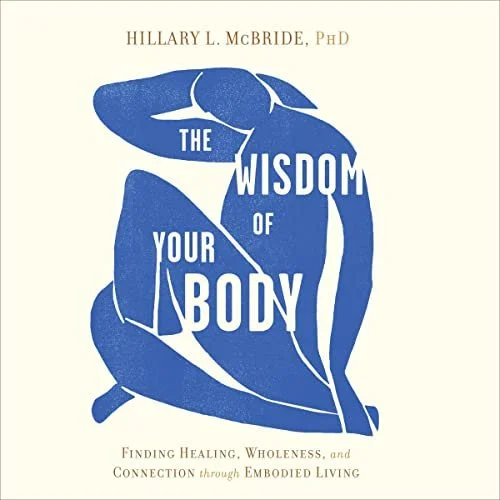
![Book cover titled "The Wisdom of Your Body" by Hillary L. McBride, PhD, with an abstract blue human figure illustration.]()
The Wisdom of the Body
A compassionate guide to listening to the body’s signals, exploring how emotions, trauma, and self-awareness are intertwined, and offering practical ways to reconnect with your embodied self.
Who it may be helpful for: Anyone wanting to deepen their relationship with their body, release stored tension, and cultivate emotional awareness and self-compassion. -
![Book cover titled 'The Ruthless Elimination of Harry' by John Mark Comer, with a red background and a foreword by John Ortberg.]()
The Ruthless Elimination of Hurry
A thoughtful call to slow down and reclaim presence in a culture of busyness, blending spiritual insight and practical wisdom to help you live with greater peace, purpose, and connection.
Who it may be helpful for: Anyone feeling rushed, restless, or disconnected, seeking a more grounded rhythm of life rooted in rest, mindfulness, and intentional living. -
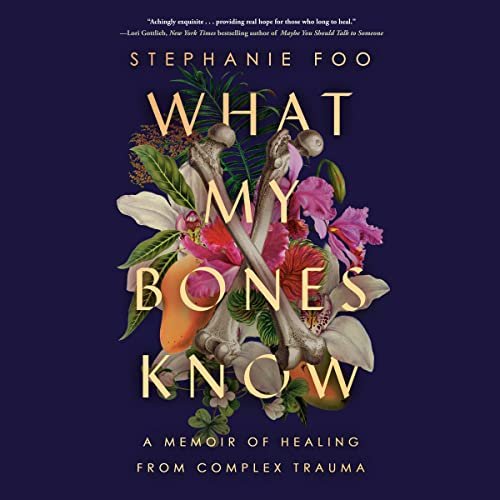
![]()
What My Bones Know
A powerful memoir blending personal story and research, exploring trauma, its impact on the body, and the journey toward healing and resilience.
Who it may be helpful for: Readers who want to understand trauma from both a lived and scientific perspective, especially those seeking insight into how trauma shows up in the body and mind. -
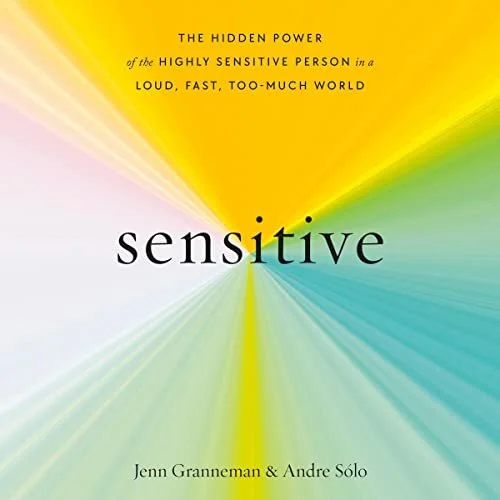
![Book cover titled "Sensitive" with a colorful abstract background. Subtitle reads "The hidden power of the highly sensitive person in a loud, fast, too-much world." Authors are Jenn Granneman and Andre S"olo.]()
Sensitive
The Hidden Power of the Highly Sensitive Person in a Loud, Fast, Too-Much World. Sensitive teaches us how to unlock the potential in this undervalued strength and leverage it across the most important areas of our lives: in friendships and relationships, the workplace, leadership, and parenting. The way to thrive as a sensitive person is not to hide their sensitivity, but to embrace it.
-
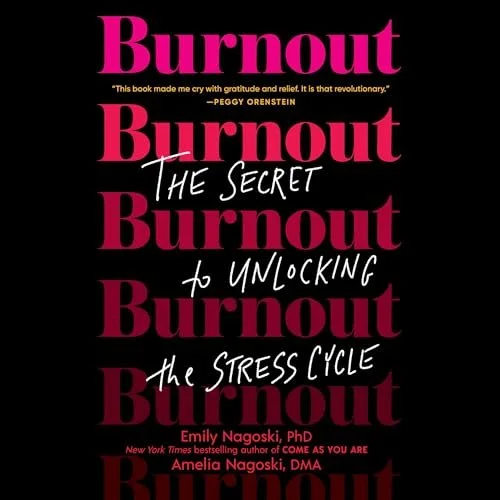
![Cover of the book titled 'Burnout: The Secret to Unlocking the Stress Cycle' by Emily Nagoski, PhD, and Amelia Nagoski, DMA. The title 'Burnout' is repeated multiple times in large pink text, with a quote by Peggy Orenstein at the top.]()
Burnout
A science-backed exploration of how stress affects the body and how completing the “stress cycle” restores balance, energy, and emotional well-being.
Who it may be helpful for: Anyone feeling drained or overwhelmed who wants practical, compassionate tools to recover from chronic stress and prevent burnout. -
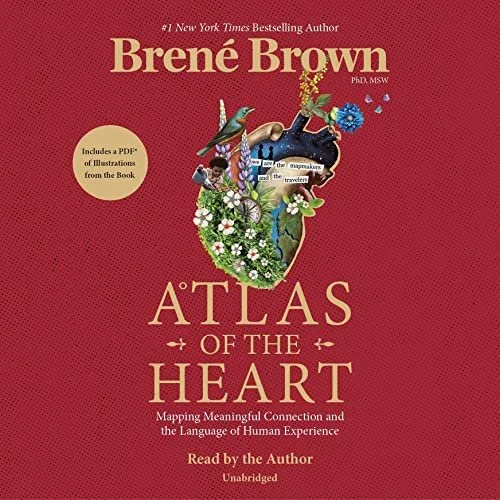
![Cover of the book 'Atlas of the Heart' by Brené Brown featuring an illustrated human heart with various nature and travel-themed elements inside and around it, on a red background.]()
Atlas of the Heart
An insightful map of human emotions and experiences, helping readers name, understand, and navigate their feelings with courage and empathy.
Who it may be helpful for: Those seeking clarity, connection, and a richer emotional vocabulary to better understand themselves and relate to others. -
![Book cover titled 'What Happened to You? Conversations on Trauma, Resilience, and Healing' by Bruce D. Perry and Oprah Winfrey, featuring a watercolor silhouette of a person in blue and green hues.]()
What Happened To You?
Renowned psychiatrist Dr. Bruce Perry and Oprah Winfrey explore how early life experiences shape our behaviors, emotions, and relationships—and how understanding our past can lead to healing and growth.
Who it may be helpful for: Anyone interested in learning how trauma affects the brain and body, and those seeking a hopeful, science-based framework for healing. -
![Book cover featuring a colorful illustrated portrait of Tarana Burke, with birds and vibrant background, titled 'Unbound']()
Unbound
A powerful memoir tracing Tarana Burke’s journey from silence to activism, revealing how her healing from sexual violence ignited a global movement for justice and empathy.
Who it may be helpful for: Survivors, advocates, and readers inspired by stories of resilience and the power of using one’s voice for collective healing. -
![]()
Holy Hurt
A deeply compassionate exploration of spiritual trauma and recovery, weaving psychology, theology, and personal narrative to illuminate how faith can both harm and heal.
Who it may be helpful for: Those healing from religious or spiritual wounds who want to rediscover safety, belonging, and connection with themselves and the sacred. -
![Book cover titled "Practices for Embodied Living: Experiencing the Wisdom of Your Body" by Hillary L. McBride, PhD, with blue and white artistic illustrations and text.]()
Practices for Embodied Living
A guide offering reflections and exercises to help readers tune into the wisdom of their bodies and cultivate wholeness through daily embodiment practices.
Who it may be helpful for: Anyone seeking practical ways to reconnect with their body and nurture a grounded sense of self in everyday life. -
![Book cover titled 'Altogether You' by Jenna Riemersma, LPC, with an endorsement quote from Dr. Richard Schwartz.]()
Altogether You
A faith-integrated introduction to Internal Family Systems therapy that helps readers compassionately meet every part of themselves with curiosity and grace.
Who it may be helpful for: Readers interested in integrating spirituality with IFS principles to foster inner healing and self-leadership. -
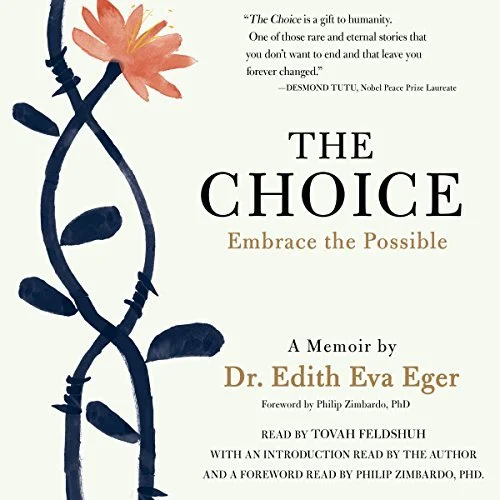
![The cover of a book titled "The Choice: Embrace the Possible" by Dr. Edith Eva Eger, featuring a stylized illustration of a blue vine with leaves and an orange flower at the top.]()
The Choice: Embrace the Possible
A gripping memoir of survival, resilience, and forgiveness, revealing how choice can transform even the deepest suffering into freedom.
Who it may be helpful for: Readers seeking inspiration and insight into post-traumatic growth and the power of reclaiming one’s story. -
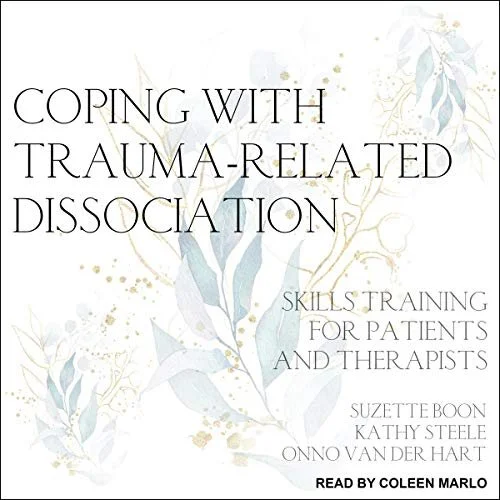
![Book cover titled "Coping with Trauma-Related Dissociation: Skills Training for Patients and Therapists" by Suzette Boon, Kathy Steele, and Onno van der Hart, featuring a light-colored leafy background.]()
Coping with Trauma-related Dissociation
A comprehensive workbook designed to help clients and therapists understand and manage dissociative experiences through practical, step-by-step skills.
Who it may be helpful for: Therapists and trauma survivors working to build stability, self-awareness, and regulation in the aftermath of chronic trauma. -
![Book cover titled 'Complex PTSD: From Surviving to Thriving' by Pete Walker, with a mosaic design in shades of blue and purple.]()
Complex PTSD
A compassionate guide to understanding the long-term impact of complex trauma, offering tools for self-soothing, inner reparenting, and reclaiming agency.
Who it may be helpful for: Adults recovering from childhood trauma who want practical language and strategies for healing emotional flashbacks and shame. -
![Book cover titled 'Adult Children of Emotionally Immature Parents' by Lindsay C. Gibson, PsyD, with subtitle 'How to Heal from Distant, Rejecting, or Self-Involved Parents'.]()
Adult Children of Emotionally Immature Parents
A guide to understanding how emotionally immature parenting shapes adult relationships and self-perception.
Who it may be helpful for: Adults seeking to break cycles of guilt, self-doubt, or emotional neglect while learning healthier ways to connect and set boundaries. -
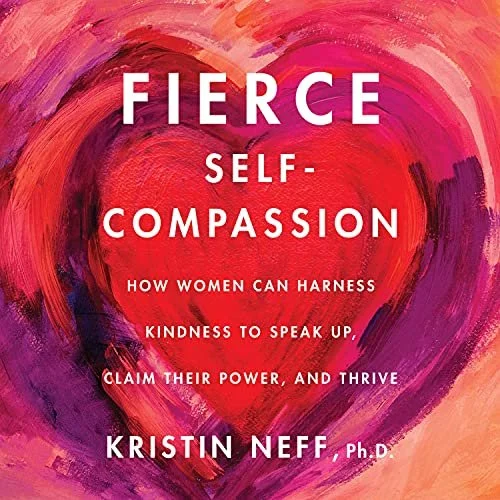
![Book cover titled "Fierce Self-Compassion" by Kristin Neff, Ph.D., featuring a colorful abstract heart design with pink, purple, and orange brushstrokes.]()
Fierce Self-Compassion:
A powerful blend of research and personal insight, encouraging women to balance tenderness with strength through self-compassionate action.
Who it may be helpful for: Women learning to move beyond people-pleasing and cultivate courage, confidence, and inner kindness. -
![Book cover for 'Man's Search for Meaning' by Viktor E. Frankl, with barbed wire and birds in the design.]()
Man’s Search for Meaning
A timeless exploration of resilience and purpose drawn from Frankl’s experience in Nazi concentration camps and his development of logotherapy.
Who it may be helpful for: Anyone seeking to find meaning in suffering and reconnect with hope, purpose, and inner freedom. -
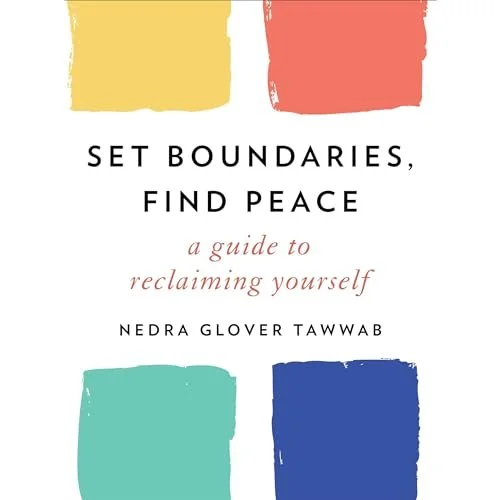
![Book cover titled "Set Boundaries, Find Peace" by Nedra Glover Tawwab, with four colorful brushstroke illustrations in yellow, red, turquoise, and blue.]()
Set Boundaries, Find Peace
A practical, compassionate guide to identifying needs, setting healthy boundaries, and creating balanced relationships.
Who it may be helpful for: People feeling overwhelmed, resentful, or disconnected who want tools to communicate clearly and reclaim personal space. -
![Book cover titled 'Hungry Hearts: Essays on Courage, Desire, and Belonging,' edited by Jennifer Rudolph Walsh, featuring a red heart with yellow stars inside.]()
Hungry Hearts
A soulful collection of essays exploring vulnerability, desire, and the universal longing for connection and belonging.
Who it may be helpful for: Readers drawn to reflective, story-driven insights about self-discovery, courage, and the complexity of being human. -
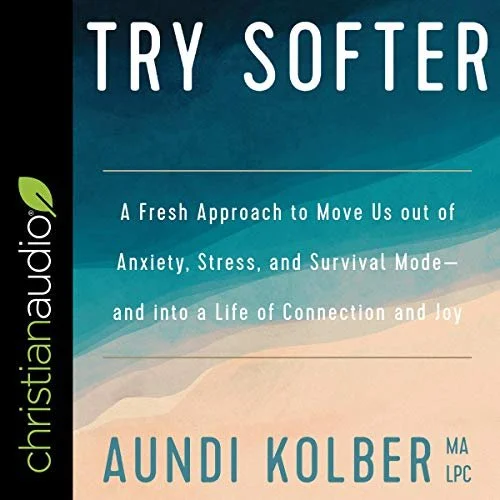
![Book cover titled "Try Softer" by Aundi Kolber, with a subtitle about moving out of anxiety, stress, and survival mode into connection and joy, published by christianaudio.]()
Try Softer
A gentle, trauma-informed guide that invites readers to move from striving and self-criticism toward grace, compassion, and nervous system regulation.
Who it may be helpful for: Those feeling overwhelmed by perfectionism or burnout, longing for a kinder, more sustainable way to heal and grow. -
![Book cover titled 'No Bad Parts' by Richard C. Schwartz, PhD, with a foreword by Alanis Morissette, featuring abstract colorful shapes in yellow, blue, and green.]()
No Bad Parts
A foundational IFS text that reframes the psyche as a system of “parts,” showing how compassion and curiosity toward all parts lead to integration.
Who it may be helpful for: Therapists or individuals interested in inner parts work and self-leadership as pathways to healing and wholeness. -
![Book cover titled 'Daring Greatly' by Brené Brown, featuring a gradient color scheme and a gold badge stating 'More Than 1 Million Copies Sold.']()
Daring Greatly
A transformative exploration of vulnerability as the heart of courage, connection, and creativity—showing how embracing imperfection fosters deeper belonging.
Who it may be helpful for: Anyone seeking to live more authentically and develop the courage to show up fully in relationships, work, and personal growth. -
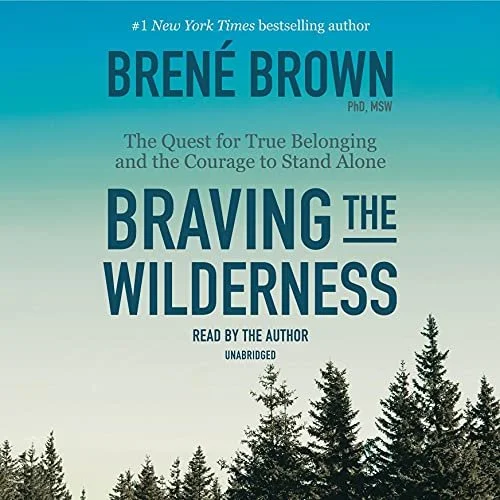
![Book cover for 'Braving the Wilderness' by Brené Brown, with a background of trees and a gradient sky.]()
Braving the Wilderness
A heartfelt exploration of belonging and authenticity, showing that true connection requires the bravery to stand alone when necessary and stay grounded in our integrity.
Who it may be helpful for: Those navigating disconnection or self-doubt who want to cultivate courage, authenticity, and a deeper sense of belonging. -
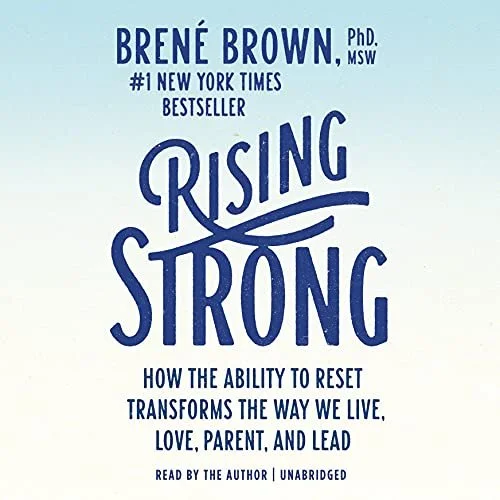
![Book cover for 'Rising Strong' by Brené Brown, with a light blue background and dark blue text, describing it as a guide on resilience and transforming the way we live, love, parent, and lead.]()
Rising Strong
A powerful guide to navigating failure, disappointment, and emotional struggle with courage—teaching that true resilience comes from reckoning with our stories and rising again.
Who it may be helpful for: Anyone processing setbacks or emotional pain who wants to transform vulnerability into strength, wisdom, and wholehearted living. -
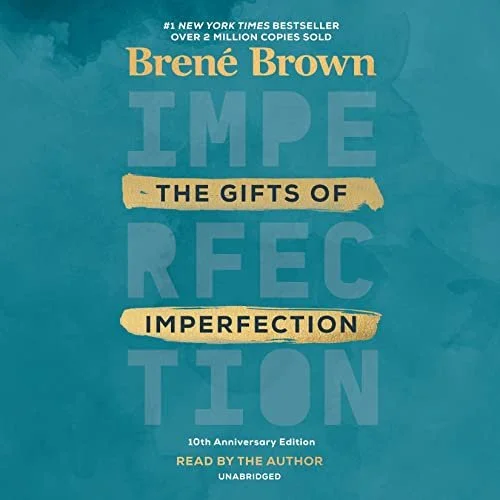
![Book cover of 'The Gifts of Imperfection' by Brené Brown, 10th Anniversary Edition, with blue background and yellow highlighted text for the title, featuring the subtitle and author name.]()
The Gifts of Imperfection
A compassionate invitation to release perfectionism and self-judgment, guiding readers toward wholehearted living through courage, compassion, and connection.
Who it may be helpful for: Those longing to feel more authentic and self-accepting, especially individuals ready to let go of comparison and embrace their true selves. -
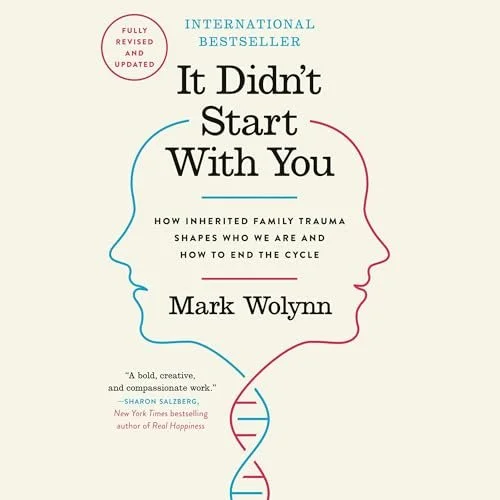
![Book cover for 'It Didn't Start With You' by Mark Wolynn, featuring an illustration of two faces in profile, connected by a DNA double helix, with text highlighting it as an international bestseller about inherited family trauma.]()
It Didn’t Start with You
A compelling look at how generational trauma impacts our emotional lives, offering tools to recognize and heal inherited patterns.
Who it may be helpful for: Those exploring family-of-origin issues or wanting to understand how ancestral wounds influence present experiences. -
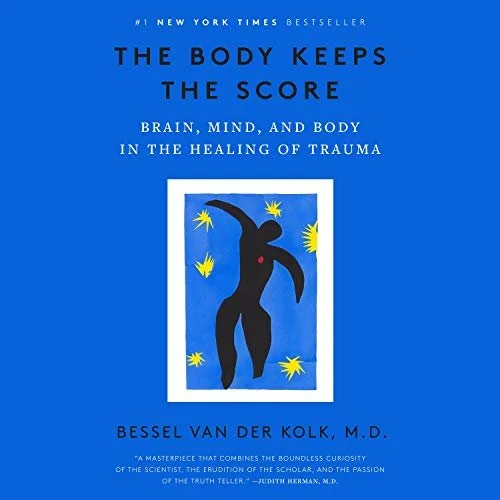
![Book cover titled "The Body Keeps the Score" by Bessel van der Kolk, M.D., with a dark silhouette of a person surrounded by yellow star-like shapes on a blue background.]()
The Body Keeps the Score
A seminal exploration of trauma’s imprint on the brain and body, blending neuroscience and clinical insight to illuminate holistic recovery.
Who it may be helpful for: Readers wanting to understand the science of trauma and learn body-based pathways toward safety and integration. -
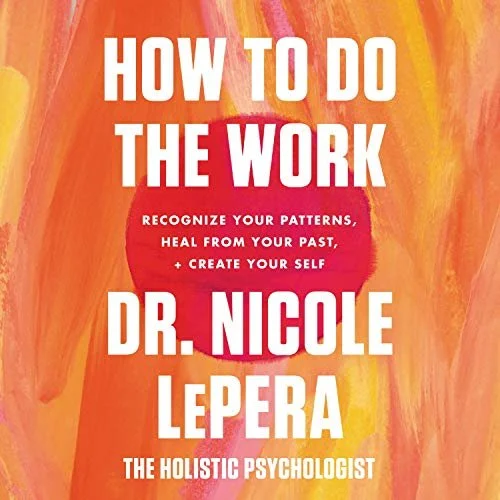
![Book cover titled "How to Do the Work" by Dr. Nicole Lepera, with subtitle "Recognize Your Patterns, Heal From Your Past, Create Your Self" and the subtitle "The Holistic Psychologist."]()
How to Do the Work
A practical, psychology-meets-wellness guide to becoming conscious of self-sabotaging patterns and building emotional resilience.
Who it may be helpful for: Readers drawn to accessible, actionable tools for self-healing and personal growth grounded in holistic psychology. -
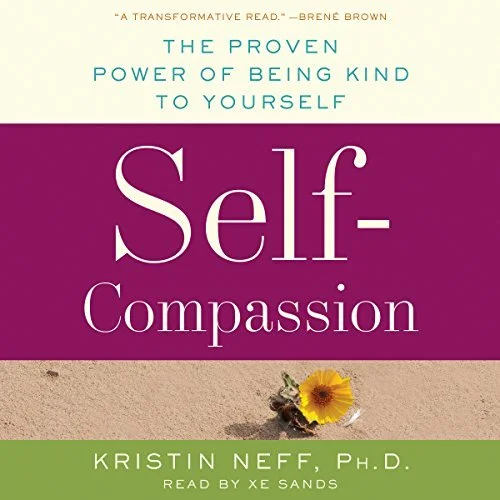
![Cover of a book titled "Self-Compassion" by Kristin Neff, Ph.D., with a subtitle about kindness to yourself. The cover features a bee and a yellow flower on a sandy background.]()
Self-Compassion
A pioneering exploration of self-compassion as a transformative practice that enhances resilience, motivation, and emotional well-being.
Who it may be helpful for: Anyone seeking an evidence-based approach to cultivating kindness toward themselves amid struggle or failure. -
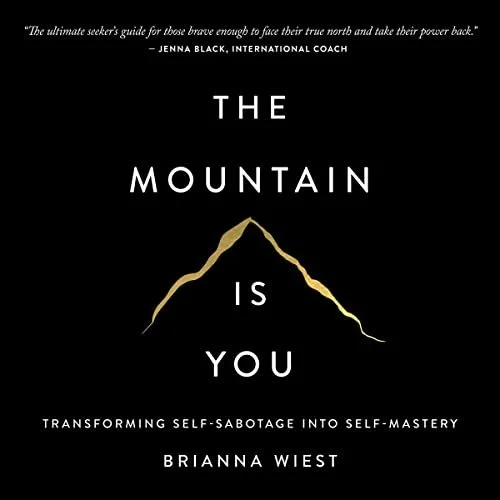
![Book cover titled 'The Mountain Is You' by Brianna Wiest, with a quote at the top and a mountain illustration.]()
The Mountain Is You
A poetic and practical reflection on overcoming inner resistance, reframing self-sabotage as a call to deeper self-awareness and growth.
Who it may be helpful for: Those feeling stuck in patterns of avoidance or self-doubt, ready to turn struggle into empowerment.












Podcasts
-
![The graphic features a large lock icon with a heart-shaped keyhole surrounded by multicolored rays and the text 'Unlocking Us with Brené Brown VOX Media'.]()
Unlocking Us
~45–60 m
Brené Brown dives into conversations about vulnerability, courage, and connection with thinkers, artists, and leaders who inspire authentic living.
Who it’s helpful for: Listeners drawn to self-growth, emotional intelligence, and wholehearted living rooted in research and storytelling. -
![]()
The Happiness Lab
~30–45 minutes
A psychology podcast exploring the science of happiness and practical strategies to improve well-being, grounded in research from Dr. Santos’ Yale course on the topic.
Who it may be helpful for: Anyone curious about the science of happiness, positive psychology, and small, actionable ways to increase joy and life satisfaction. -
![A colorful collage with school supplies, a photo of a woman, and a pink flamingo, overlaid with white and yellow text saying 'Thanks for Asking with Nora McInerny'.]()
Thanks For Asking
~30–45 minutes
A deeply human podcast where host Nora McInerny interviews people about grief, hardship, and resilience, offering insight into the complexity of real-life struggles.
Who it may be helpful for: Those seeking empathetic conversations about navigating grief, loss, and life’s challenges, and exploring how people find hope and resilience. -
![Illustration with colorful background and a speech bubble that says 'Grief Cast with Cariad Lloyd'.]()
Griefcast
~40–60 m
Comedian Cariad Lloyd speaks with guests about grief, loss, and the ways humor, love, and memory intertwine in mourning and healing.
Who it’s helpful for: Anyone processing grief or supporting someone who is, seeking comfort in honest and often uplifting conversations. -
![Illustration of a vintage car with a large prescription pill on top, set against a yellow background. Text reads 'The Mental Illness Happy Hour with Paul Gilmartin'.]()
The Mental Illness Happy Hour
~60–90 minutes.
A candid, compassionate podcast where comedian Paul Gilmartin talks with guests about mental health, trauma, and the human condition with humor and honesty.
Who it may be helpful for: Listeners seeking open, relatable conversations about depression, anxiety, addiction, and healing. -
![Cover for a podcast or interview series featuring Esther Perel, with a woman with blonde hair and blue eyes resting her chin on her hand, against a blue background with text that reads 'The Cut: Where should we begin? with Esther Perel.']()
Where Should We Begin?
~45–60 m
Renowned therapist Esther Perel brings listeners into one-time therapy sessions with real couples, exploring love, conflict, and the patterns that shape our relationships.
Who it’s helpful for: Couples and individuals interested in intimacy, communication, and understanding relational dynamics. -
![Hidden Brain logo with blue background and white text]()
Hidden Brain
~30–50 minutes
A thought-provoking podcast exploring the unseen patterns that shape human behavior, decision-making, and social dynamics.
Who it may be helpful for: Listeners interested in psychology, human behavior, and gaining insight into why we think, feel, and act the way we do. -
![Podcast cover art featuring a woman with short dark hair and a leopard print top, with the title 'Breakdown' and an illustration of a brain with glasses and a burst background, and the text 'Mayim Bialik's Breakdown'.]()
Bialik Breakdown
~30–50 m
Neuroscientist and actor Mayim Bialik explores mental health, emotions, and the science of the mind through thoughtful and often humorous interviews.
Who it’s helpful for: Anyone interested in understanding mental health through an approachable, science-based, and compassionate lens. -
![Text reading '10% HAPPIER with Dan Harris' on a black background with a red arrow pointing to the word 'with'.]()
Ten Percent Happier
~30–45 m
Journalist Dan Harris explores mindfulness and meditation through candid interviews with teachers, scientists, and everyday practitioners, offering tools for calmer, more present living.
Who it’s helpful for: Those curious about mindfulness and looking for practical, relatable guidance to reduce stress and build resilience. -
![Book cover with a man looking to the side, with the title 'Feel Better Live More' and the author's name Dr. Chatterjee, on a green background.]()
Feel Better, Live More
~60–90 m
Dr. Chatterjee explores how small lifestyle changes can lead to big improvements in health and happiness through conversations with experts across medicine, science, and wellness.
Who it’s helpful for: Anyone interested in holistic health, wellness, and evidence-based strategies for living a balanced, meaningful life. -
![Podcast cover image featuring the title 'Dear Therapists' with Lori Gottlieb and Guy Winch, with a background of an orange textured wall, a gray couch with blue pillows, and pictures of Lori Gottlieb and Guy Winch.]()
Dear Therapists
~40–50 m
Therapists Lori Gottlieb and Guy Winch offer practical, compassionate advice to listeners’ real-life dilemmas, bringing therapy tools and empathy to everyday struggles.
Who it’s helpful for: Those seeking emotional insight, communication tips, and expert guidance on relationships, work, and personal growth.








Videos
-
![Text 'EMDR Therapy' on a brown background.]()
EMDR Therapy
A Gentle Path to Healing
This video offers a clear and compassionate explanation of Eye Movement Desensitization and Reprocessing (EMDR), illustrating how it helps individuals process and heal from trauma by reprocessing distressing memories.
Who it may be helpful for: Those seeking a trauma-informed approach to healing, particularly individuals dealing with PTSD, anxiety, or unresolved past experiences. -
![Text reading 'Somatic Therapy' on a dark, textured background.]()
Somatic Therapy
Listening to the Wisdom of the Body
An introduction to somatic therapy, highlighting how our bodies hold and express emotions, and how tuning into bodily sensations can facilitate healing and emotional regulation.
Who it may be helpful for: Those looking to reconnect with their bodies, release stored tension, or address trauma held within the body, particularly individuals who feel disconnected from their physical selves. -
![Brown background with white text that reads "Explanation of Brainstoting"]()
What is Brainspotting?
A clear overview of Brainspotting therapy, explaining how specific eye positions can access deep areas of the brain connected to emotional pain and trauma, supporting profound healing and integration.
Who it may be helpful for: Individuals exploring trauma therapies or seeking to process distressing memories, body-based sensations, or experiences that feel “stuck” beyond words. -
![Text on a textured background that reads 'Living with DID'.]()
Living with DID
A sensitive and eye-opening portrayal of life with Dissociative Identity Disorder (DID), offering insight into the inner experience of multiplicity and the courage of those navigating complex trauma.
Who it may be helpful for: Those wishing to better understand DID—whether personally, as loved ones, or as helping professionals—through an empathetic and humanizing lens. -
![Text reading 'Internal Family Systems (IFS)' on a dark textured background]()
Internal Family Systems (IFS)
Embracing All Parts of You - In this insightful demonstration, Dr. Richard Schwartz introduces Internal Family Systems (IFS), a therapeutic model that views the mind as made up of distinct parts, each with its own perspective and role, fostering self-compassion and integration.
Who it may be helpful for: Individuals interested in understanding and harmonizing the various parts of themselves, especially those navigating inner conflict, self-criticism, or emotional distress. -
![Brown background with white text reading "Hand Brain Model"]()
Hand Brain Model
Dr. Siegel uses a simple hand model to illustrate how the brain processes emotions and stress, making complex neuroscience accessible and practical for emotional regulation and mindfulness.
Who it may be helpful for: Anyone wanting a clearer understanding of how the brain and body respond under stress, and how to apply mindful awareness to stay grounded and connected. -
![Text on a textured, muted background that reads 'Deep Brain Orientation']()
Deep Brain Orientation
Dr. Frank Corrigan discusses the principles of Deep Brain Reorienting, exploring how bottom-up therapeutic approaches can access core emotional pain and promote lasting nervous system healing.
Who it may be helpful for: Clinicians or individuals interested in trauma therapy modalities that address the body’s instinctive responses and deeply rooted emotional experiences. -
![Text reads 'Regulating your Nervous System' on a beige background.]()
Regulating Your Nervous System
This video explains how both cognitive (top-down) and somatic (bottom-up) techniques can help balance the nervous system, supporting calm, focus, and emotional resilience.
Who it may be helpful for: Anyone learning to manage anxiety, overwhelm, or stress by combining mindful awareness with body-based regulation strategies.

Apps
-
![A smiling orange circle with closed eyes and a curved mouth, resembling a happy face.]()
Headspace
A guided meditation and mindfulness app offering structured programs for stress relief, focus, sleep, and overall mental wellbeing.
Approximate daily time: 5–20 minutes, depending on the meditation program or session.
Who it may be helpful for: Individuals seeking easy-to-follow meditation exercises and mindfulness practices to reduce anxiety, improve sleep, and cultivate calm. -
![]()
How We Feel
An emotion-tracking app that helps you quickly log and visualize your moods throughout the day, giving insight into emotional patterns over time.
Approximate daily time: 1–3 minutes per check-in.
Who it may be helpful for: Anyone wanting to increase emotional awareness, track moods, and gain insight into feelings and triggers in daily life. -
![A simple illustration of a brown wooden bowl]()
Insight Timer
A free meditation and mindfulness app that provides thousands of guided meditations, calming music, and timers for self-practice. My personal playlists IFS Self , IFS Parts Check-In , IFS Working With a Part, EMDR Resourcing Playlist, Somatic Music
Approximate daily time: 5–20 minutes.
Who it may be helpful for: Anyone wanting to establish a meditation or therapeutic routine, especially clients looking for tools to support trauma processing, self-reflection, and body awareness. -
![Purple and blue gradient background with the word 'Calm' written in white cursive]()
Calm
A meditation and relaxation app with guided sessions, breathing exercises, sleep stories, and calming music to support stress management and better sleep.
Approximate daily time: 5–15 minutes for meditations or exercises; 15–40 minutes if using a sleep story at night.
Who it may be helpful for: Anyone looking for practical tools to reduce anxiety, relax, and bring calm into their daily routine. -
![Cute smiling face with black eyes and a small mouth on a teal background.]()
Daylio
A micro-journaling and mood-tracking app that helps users record daily emotions, activities, and patterns using simple icons—no typing required. Over time, it reveals insights into habits and well-being trends.
Approximate daily time: 2–5 minutes for daily check-ins.
Who it may be helpful for: People who want to build self-awareness, track emotional patterns, and improve mental health through quick, low-effort journaling. -
![A cartoon blue monster with big eyes, sharp teeth, and a wide, happy mouth.]()
Rootd
A panic attack and anxiety relief app combining immediate “panic button” support with guided lessons, breathing tools, journaling, and long-term anxiety education to foster confidence and calm.
Approximate daily time: 5–15 minutes
Who it may be helpful for: Anyone struggling with panic attacks or anxiety who wants an approachable, evidence-informed tool for in-the-moment support and long-term resilience building. -
![White line drawing of a leaf and stem on a pastel gradient background.]()
Youper
An AI-assisted mental health app that uses cognitive-behavioral and acceptance-based therapy techniques to guide users through emotional check-ins, journaling prompts, and mood-based reflections.
Approximate daily time: 5–10 minutes per check-in.
Who it may be helpful for: Those seeking a conversational, self-guided approach to emotional support, journaling, and building mindfulness habits between therapy sessions. -
![A logo for PTSD Coach featuring a blue background with radiating lines, the words 'PTSD Coach' in white text, a white curved line, and a red star.]()
PTSD Coach
Created by the U.S. Department of Veterans Affairs, PTSD Coach provides education about post-traumatic stress, self-assessment tools, coping skills, and resources for support. It’s designed to help users manage symptoms and track their well-being.
Approximate daily time: 5–20 minutes,
Who it may be helpful for: Individuals experiencing PTSD symptoms, trauma survivors, or anyone seeking practical coping tools between therapy sessions. -
![App icon with the letters B, R, and a red star with a white outline connected by a red swoosh on a black background]()
Breathe2Relax
A stress-management app developed by the U.S. Department of Defense to teach and guide diaphragmatic breathing, helping users lower stress, stabilize mood, and improve emotional regulation.
Approximate daily time: 5–10 minutes per session.
Who it may be helpful for: Individuals seeking a simple, science-backed breathing tool to reduce tension, anxiety, or physiological stress responses.









Websites
-
![]()
Etsy Resources
A curated collection of tools, journals, and creative resources I often recommend to clients for personal growth, reflection, and mindful practice.
Who it may be helpful for: Anyone seeking tangible, thoughtful resources to support their self-exploration, emotional regulation, or therapeutic work at home -
![A woman with curly blonde hair holding a color wheel while talking to a man with dark hair, both sitting in a cozy room with a plant and books nearby.]()
Amazon Resources
A thoughtfully assembled list of books, tools, and wellness resources that I frequently recommend to clients for insight, self-compassion, and emotional growth.
Who it may be helpful for: Individuals who enjoy exploring evidence-based books, practical tools, and self-guided practices to support their mental health and personal development. -
![Portrait of a woman with shoulder-length brown hair, smiling, wearing a black blazer and black top, with a blurred background featuring circular decorations.]()
Self-Compassion Resources
Created by Dr. Kristin Neff, a psychologist and leading researcher in the field of self-compassion, this site offers guided meditations, exercises, and reflective resources to help cultivate self-compassion and a deeper understanding of your inner patterns.
Who it may be helpful for: Anyone looking to develop a kinder, gentler relationship with themselves, especially those who struggle with self-criticism, shame, or perfectionism.
-
![Person sitting on a wooden chair, wearing a beige long-sleeve shirt and green pants, holding a colorful wheel with various emotional words.]()
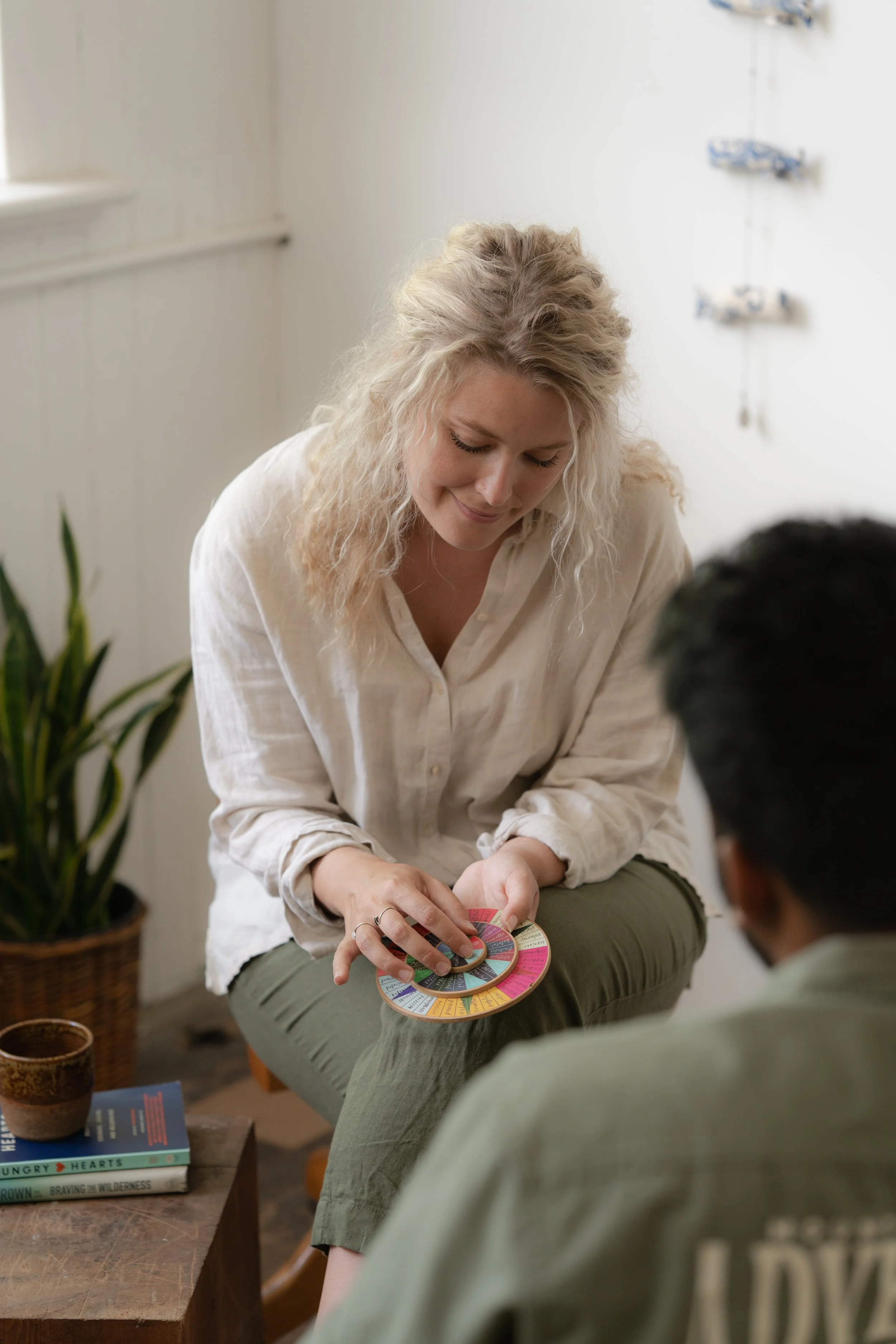
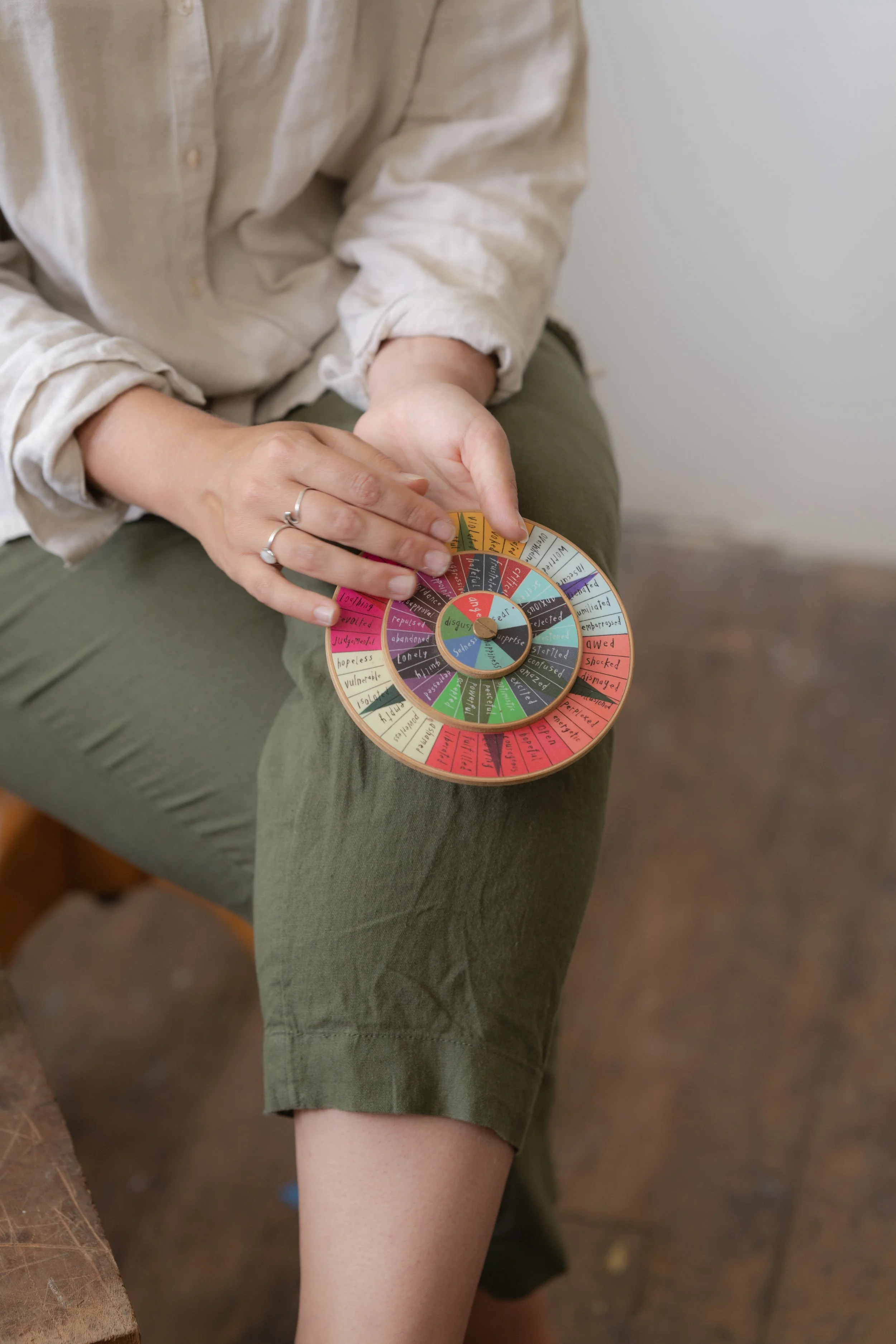
Feelings Wheel
A free downloadable and printable version of the classic feelings-wheel tool that helps users map, label, and explore their emotional states with more precision.
Who it may be helpful for: Anyone wanting to develop emotional awareness, expand their emotional vocabulary, identify nuanced feelings, improve communication of emotions, or integrate reflective journaling into their self-care routine.


Creators
-
![A woman with short curly hair smiling in front of a brick wall and metal shelving holding color wheel charts and boxes.]()
Lindsay Braman
A creator focused on emotional awareness and regulation, offering practical tools like feelings wheels and worksheets to help individuals identify, understand, and manage their emotions.
Who it may be helpful for: Anyone looking to build emotional literacy, develop self-awareness, or support others in exploring and expressing their feelings. -
![A young man with light skin, curly brown hair, and a beard, smiling and standing behind a dark brown leather chair, wearing a brown jacket and beige shirt, with a beige background and a plant on the left side.]()
Matthias J. Barker
A licensed psychotherapist specializing in trauma, relational healing & estrangement, offering workshops, reflections and practical strategies for healing ruptures in relationships and family systems.
Who it may be helpful for: People navigating trauma, attachment issues, family estrangement or complicated relationships; those seeking deeper relational repair and emotional resilience. -
![A woman with long dark hair, wearing a light-colored button-up shirt and blue jeans, standing at a wooden table with papers and images on it, smiling at the camera.]()
Giselle Dekel
A mental health advocate and content creator sharing insightful tips, reflections, and strategies for emotional wellness, self-compassion, and personal growth.
Who it may be helpful for: Those seeking approachable, relatable guidance on emotional awareness, self-care, and building healthy habits for mental well-being. -
![A woman with long blonde hair smiling while using a digital drawing tablet with a stylus pen in a home office. The background includes a green wall, framed zebra artwork, a camera on a tripod, a lamp, and a decorative animal figure.]()
To You From Steph
A creative illustrator & author using art and thoughtful messaging to uplift and support women’s emotional growth and self-compassion.
Who it may be helpful for: Individuals who resonate with visual reminders, gentle encouragement as tools for emotional awareness and personal reflection. -
![Logo of The Emory Lab with a dark background and white text]()
The Embody Lab
Description: A trauma-informed somatic education platform providing online certificates, workshops and resources focused on embodied healing, nervous system regulation, movement and mind-body integration.
Who it may be helpful for: Therapists, practitioners and individuals ready to engage with somatic and body-based approaches to trauma, nervous system health and holistic emotional regulation.




EDMR Resourcing
These practices use imagination and inner imagery to help your system access feelings of stability, comfort, and support. They strengthen your ability to stay connected to the present, even when emotions or memories feel intense.
-
![]()
Length: ~4 minutes
Focus: Building internal and external felt safety
A gentle guided practice designed for clients who have already developed their protective figure in session. This recording supports continued installation — deepening your connection to the image or presence that helps you feel grounded, safe, and supported. Through slow breathing, mindful imagery, and gentle bilateral tapping, you’ll strengthen your body’s memory of protection and calm. -
![]()
Length: ~4 minutes
Focus: Connection, belonging, and nervous system balance
Best used after your initial Circle of Protection exercise in session, this guided practice helps you strengthen and revisit that felt sense of being surrounded by care and safety. Through breath, imagery, and gentle tapping, you’ll anchor the experience of belonging — allowing your nervous system to remember what it’s like to feel connected and supported, even during moments of stress. -
![]()
Length: ~4 minutes
Focus: Receiving care, compassion, and warmthIntended for use after you’ve developed your nurturing figure in session, this audio helps strengthen your ability to receive care and warmth from that presence. Through imagery, breath, and gentle bilateral tapping, your body learns to safely experience comfort and compassion. With practice, this exercise supports your system’s capacity for self-soothing and emotional regulation between sessions.
-
![]()
Length: ~3–4 minutes
Focus: Internal strength and wise self-leadership
This recording supports continued installation of your Protective Adult Self — the calm, capable part of you that responds with strength and wisdom. It’s ideal to revisit between sessions to reinforce your sense of internal safety and confidence. Through slow breath, gentle tapping, and imagery, you’ll cultivate the embodied awareness that you can care for and protect yourself in grounded ways. -
![]()
Length: ~4 minutes
Focus: Grounding and calm regulation
This recording reinforces your Safe or Peaceful Place resource developed in EMDR preparation. It’s designed for use between sessions to help your body and mind return to calm and ease. Through guided imagery, breathing, and tapping, you’ll strengthen the neural pathway of safety — allowing your system to more readily access grounding and regulation during times of stress. -
![]()
Length: ~4 minutes
Focus: Grounding and calm regulation
This recording reinforces your Safe or Peaceful Place resource developed in EMDR preparation. It’s designed for use between sessions to help your body and mind return to calm and ease. Through guided imagery, breathing, and tapping, you’ll strengthen the neural pathway of safety — allowing your system to more readily access grounding and regulation during times of stress -
![]()
Length: ~4 minutes
Focus: Wholeness, divine love, and the unbroken self
This recording is designed to deepen connection with your Essential Spiritual Self — the core of goodness and divine love that remains whole despite life’s experiences. Through gentle imagery, breath, and tapping, you’ll practice resting in that unbroken part of yourself. This is best used after other resourcing practices, such as Safe Place or Nurturing Figure, once your system feels ready for deeper integration. -
![]()
Length: ~4 minutes
Focus: Inner guidance, compassion, and spiritual wisdom
Intended for those who have already developed a connection with a wise or spiritual figure in therapy, this practice helps you revisit that presence for grounding and gentle guidance. Through breath, imagery, and bilateral tapping, you’ll deepen your sense of inner wisdom, compassion, and spiritual connection — reinforcing these qualities between EMDR sessions. -
![]()
Length: ~5 minutes
Focus: Body-level healing and release of tension
A gentle visualization to support physical and emotional release between EMDR sessions. The Light Stream guides you to imagine a warm, healing light flowing through your body, supported by slow breath and bilateral tapping. It’s best used after you’ve already established grounding resources (such as your Safe Place or Nurturing Figure). This practice can help restore balance, ease, and body-level calm.

Grounding Practices
Grounding practices invite gentle awareness of the body and breath to anchor you in the here and now. They help your nervous system settle, creating space for calm, presence, and a felt sense of safety.
-
![]()
Length: ~4 minutes
Focus: Present-moment awareness through the five senses
Description:
This grounding exercise helps you reconnect to the here-and-now through sight, sound, touch, smell, and taste. By gently engaging your senses, you signal safety to your body and re-anchor yourself in the present moment. It’s a simple, effective practice for times of anxiety, dissociation, or emotional overwhelm. -
![]()
Length: ~6 minutes
Focus: Releasing physical tension and promoting calm through body awareness
This guided relaxation practice invites you to soften tension and reconnect with ease in your body. Through gentle, step-by-step awareness, you’ll help your muscles release and signal to your nervous system that it’s safe to rest. This practice is especially supportive at the end of the day or after moments of stress when your body feels tight or overworked. -
![]()
Length: ~4 minutes
Focus: Present-moment awareness through the five senses
This grounding exercise helps you reconnect to the here-and-now through sight, sound, touch, smell, and taste. By gently engaging your senses, you signal safety to your body and re-anchor yourself in the present moment. It’s a simple, effective practice for times of anxiety, dissociation, or emotional overwhelm. -
![]()
Length: ~4 minutes
Focus: Strengthening mindful observation and inner calm
This mindfulness practice helps you cultivate awareness and curiosity about your internal experience. By noticing thoughts, emotions, and sensations without judgment, you strengthen your ability to remain steady and compassionate — even when things feel uncertain. This practice can be used anytime you’d like to slow down and reconnect with the present. -
![]()
Length: ~4 minutes
Focus: Using the breath to restore calm and balance
This gentle breathing practice supports relaxation and helps your body return to balance. Through slow, intentional breathing, you’ll activate the body’s calming response and remind yourself that it’s safe to slow down. This recording is especially helpful when you feel anxious or unsettled. -
![]()
Length: ~4 minutes
Focus: Reconnecting to safety through mindful orientation
This grounding practice helps your body recognize the safety of the present moment. By gently using your senses and orienting to your environment, you teach your nervous system that you are here and safe now. It’s a supportive tool after activation, stress, or flashbacks to help you return to calm awareness. -
![]()
Length: ~4 minutes
Focus: Reconnecting to safety through mindful orientationThis grounding practice helps your body recognize the safety of the present moment. By gently using your senses and orienting to your environment, you teach your nervous system that you are here and safe now. It’s a supportive tool after activation, stress, or flashbacks to help you return to calm awareness.
-
![]()
Length: ~5 minutes
Focus: Using comforting touch to calm and contain emotion
This practice uses gentle, intentional touch to help your body feel safe and contained. By placing your hands on your heart, abdomen, or arms, you send a message of safety and care to your nervous system. It’s especially supportive when emotions feel big or when you need to ground after emotional processing. -
![A brown textured background with the white text "Centering Imagery" in the center.]()
Length: ~4 minutes
Focus: Returning to inner steadiness and balance
This visualization helps you reconnect with your internal center — the steady, balanced part of you that remains calm even in challenge. By imagining light and warmth at your core, you strengthen the felt sense of inner stability. Use this practice when you feel scattered, drained, or off-balance. -
![Text on blackboard says 'Compassionate Breathing']()
Length: ~4 minutes
Focus: Cultivating self-compassion through breath
This practice invites you to use the breath as a bridge to self-kindness. With each inhale, you welcome warmth and care; with each exhale, you release judgment or tension. It’s an ideal practice following emotionally difficult moments, helping you reconnect to gentleness and self-acceptance. -
![Text overlay on a natural brown background that reads 'Grounding Through Nature'.]()
Length: ~5 minutes
Focus: Accessing calm and connection through imagery of nature
This visualization connects you to the stabilizing and restorative qualities of the natural world. Through imagery of earth, sky, and breath, you’ll reconnect with a sense of steadiness, rhythm, and renewal. This practice is ideal for moments of stress, fatigue, or emotional disconnection.